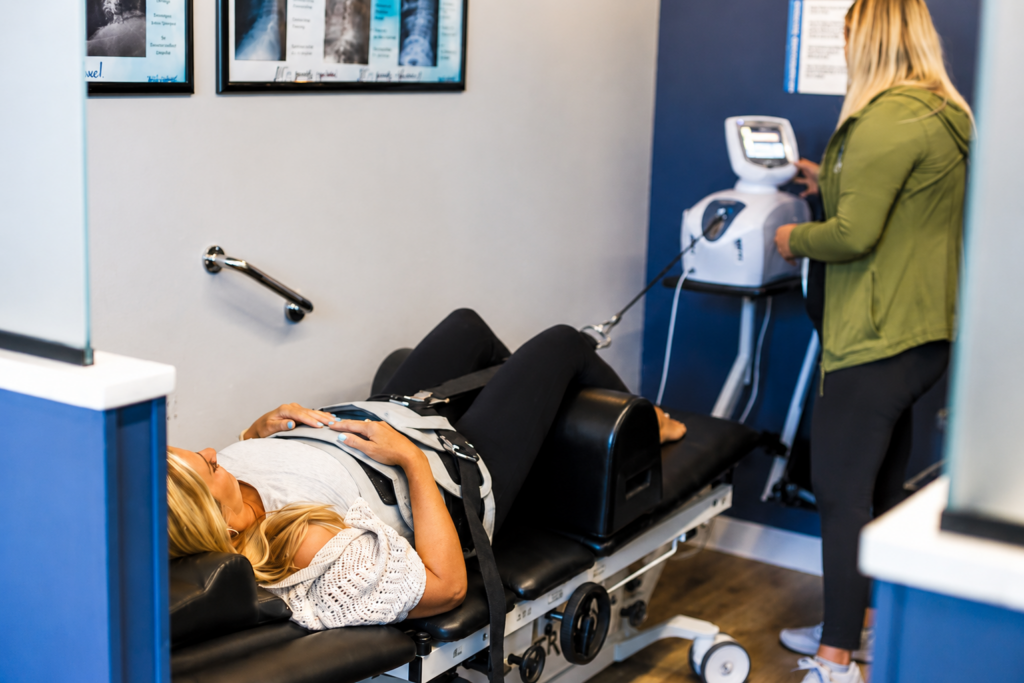
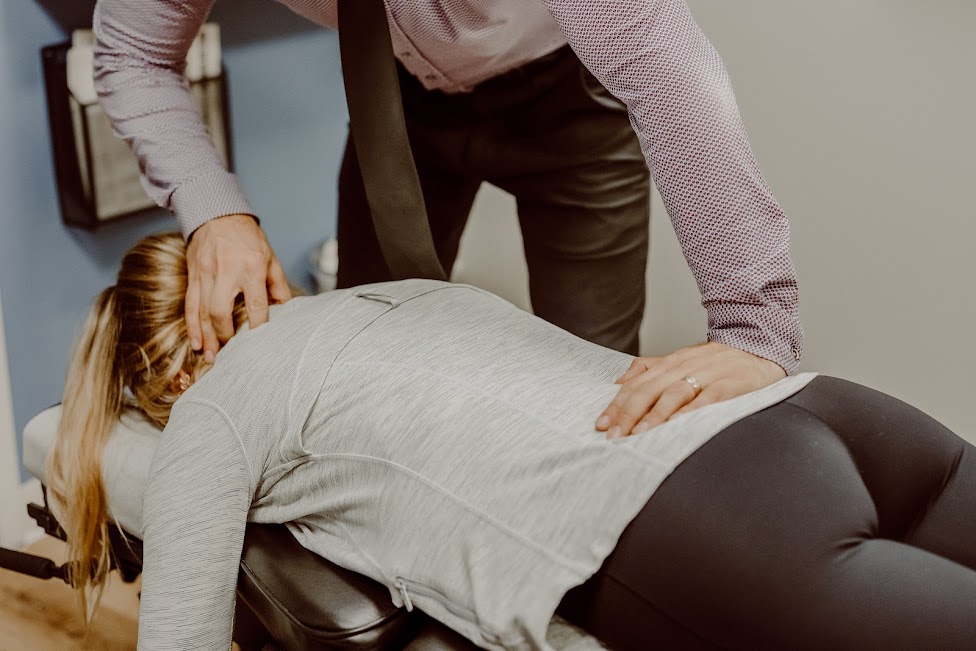
Discover why spinal decompression and chiropractic care work better together for herniated discs and chronic back pain. Learn how Hilliard, OH patients find lasting relief.
Discover how chiropractic adjustments support your immune system by optimizing nervous system function. Learn the surprising connection between spinal health and immunity.
Learn how chiropractic care provides natural, effective relief for back pain without surgery. Discover what treatment involves and why millions choose it.
Chiropractic care isn’t just for back or neck pain—it can also play a supportive role in managing allergies. Many allergy symptoms, such as congestion, sneezing, sinus pressure, and itchy eyes, are related to inflammation and immune system imbalances.
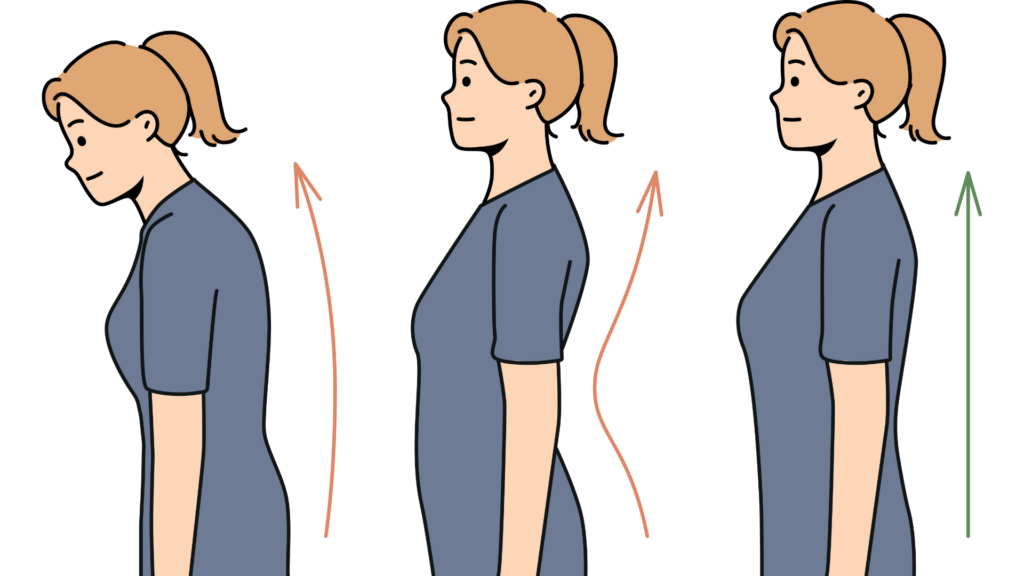
Maintaining proper posture is one of the simplest yet most impactful ways to protect your spine and overall health. Poor posture doesn’t just affect your appearance—it can lead to chronic back and neck pain, tension headaches, fatigue, and even decreased lung capacity.
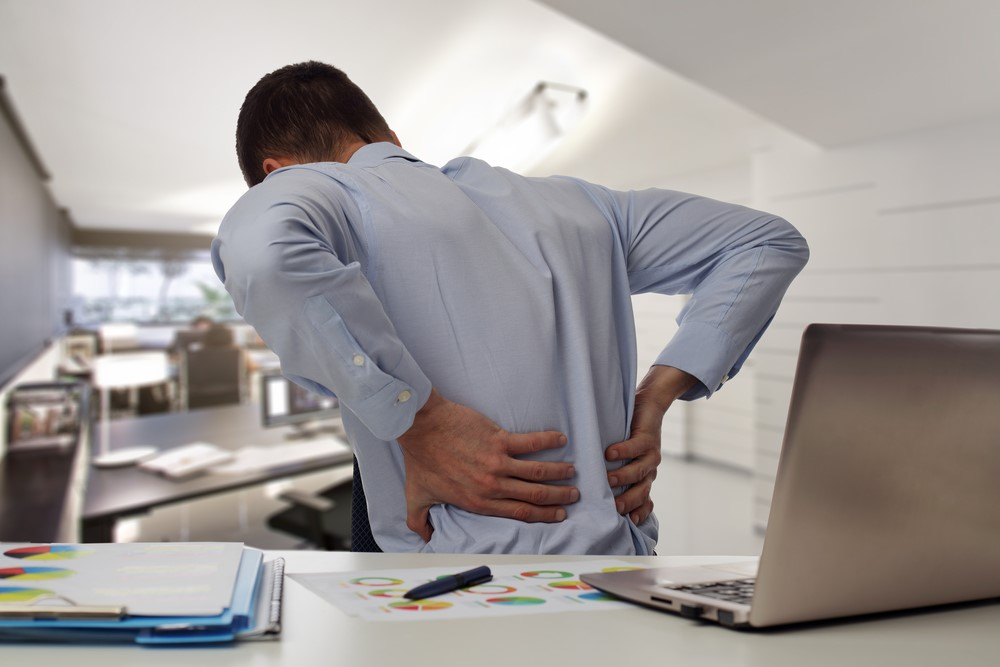
Back pain is one of the most common health complaints among adults, particularly those who spend long hours sitting, standing, or performing repetitive tasks at work. Many of these workplace-related back problems are preventable through simple adjustments and proactive care.
Absolutely the best service! Super friendly and accommodating. You be walked through a treatment plan that best suits your needs. No high pressure sales to get you in and out. The Doctor will explain everything every step of the treatment. They helped relieve my neck shoulder and back pain to bring back quality of live and demands of a physical job.!!
Life happened and my time for getting adjustments evaporated so after 4 months I had a sharp pain between my shoulder blades. I showed up way earlier than my appointment which was not a problem and got everything put back in place and had a great night sleep.
Great experience at 614 Chiropractic with Dr. Esser! The staff was friendly and welcoming, and Dr. Esser was professional, knowledgeable, and took the time to listen to my concerns. I’ve already noticed improvement and would highly recommend them to anyone looking for quality chiropractic care.
Dr Esser and his entire staff are all amazing and care deeply for their patients! I came in for an adjustment wearing a walking boot from an unrelated injury. When Ayla learned I had not yet gotten x-rays of my foot, she an Dr. Esser immediately shot complimentary x-rays, confirming nothing was broken. If you are looking for an excellent chiropractor, 614 Chiropractic would be your best choice!
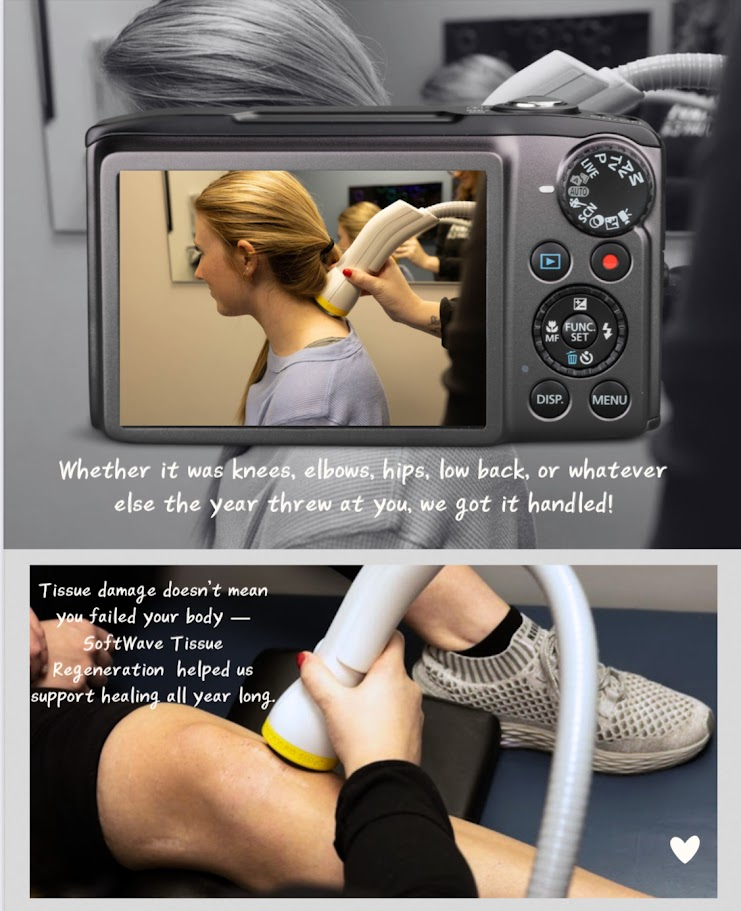
I have been getting the software therapy for my golfer’s elbow - and it seems to be helping. The girls are always friendly and welcoming - Ayla, Dallas and Addison.
This place is amazing and it’s such a warm and professional experience. All the staff are very friendly and knowledgeable about the business. The Doc didn’t sugar coat anything about my injuries and needs to fix my messed up body. I’m a hard worker and put my body through it on a daily basis.
The office is always very polite and accommodating. My daughter has the soft wave tissue service and seems to be very helpful in her recovery on her knee and ankle.
I've been doing my treatment for 11 weeks and i trust Dr. Esser! He's gentle, caring and such a warm person. He makes sure i feel comfortable before the adjustment. Hes caring for my nervous system and my spine. The staff knows you by name and actually wants to know you as a person! Truly a wonderful practice. Every time I leave I feel like a whole new person! As always, the best! Still there!
I had a bad fall which included a broken rib so I was afraid to get adjusted. Finally, after 6 weeks my neck was so bad that I made an appointment. Doc Esser was able to adjust the neck and shoulder a different way without twisting! We started the soft wave treatment on the rib area. This morning I am much better and didn’t need an Advil. Don’t wait, go get checked out for relief!!
I am speaking from some years of experience with 614 Chiropractic. I have ALWAYS found the whole staff to be very efficient and pleasant. They have never failed in being very helpful and accommodating to all of my needs. I HIGHLY recommend them for the best possible care. You will never go wrong with this team!
Everyone at 614 Chiropractor is incredibly kind and thoughtful. The ladies upfront remember my name and always greet me with kindness. The doctor himself is very knowledgeable, transparent and efficient. I’m very pleased with my decision to come here.
I have been going to 614 Chiropractic for a few months now and I have seen SO MUCH improvement already! Dr.Esser is extremely nice and makes sure you are familiar with every step of the process! Highly recommend:)
Life savers! 614 has gotten me back on track to obtain the life I love to live. A healthy, happy and active life. Amazing staff and the doctor really knows what he's doing. Thanks guys ❤️💪
Very friendly and professional team. Feel like the doctor knows what he is talking about and is able to identify issues other Chiro’s have not. Helped a lot with my back pain
I can’t say enough good things about this chiropractic office! The entire team is so friendly, professional, and genuinely cares about your progress. I came in with back pain that had been bothering me for a while, and after starting spinal decompression, I noticed a huge difference. The decompression treatments have been amazing. Highly recommend this office to anyone dealing with back pain or looking to improve their overall spinal health!
The staff at 614 chiropractic were professional, courteous, and attentive throughout my visit. They created a welcoming environment and provided excellent care. Thanks to them, I can now pick my grandkids up again. I highly recommend their services.
What an outstanding place! The soft wave tissue regeneration worked miracles for my knees while I was going through some pretty intense training. I also cannot say enough about the care and kindness that I was met with as soon as I walked in the door. Would recommend to anyone looking for a chiropractor!
Very thankful for Dr. Esser and his team. They have a very effective system for getting your back problems taken care of. I re-injured my back after 7 years of no pain from a bad cough I had in 2/2025, here we are 7 months later and I am feeling very healthy again. Yes it’s going to cost you, but trust the process. To be able to overcome the physical and mental pain it’s worth every penny. Thank you
I’ve only been going here for a month, but I already feel better. The staff is welcoming and kind, and I couldn’t recommend this place more to someone who is considering it.
When I first began visiting Dr. Esser, I was experiencing significant pain due to a severe headache and sinus infection on the left side of my head. I endured this condition for over ten years, as my regular physician attributed my symptoms solely to sinus issues.<br><br>The underlying problem was that my neck did not have a normal opening for fluid drainage, which contributed to my discomfort. After establishing a treatment schedule that included weekly sessions with the Decompression machine and the adjustment after , I have experienced remarkable improvement. I can hardly believe that I did not seek help sooner, as it could have spared me years of pain that affected my ability to sleep and function in daily life.<br><br>I am truly grateful to have regained a sense of normalcy in my life. I highly recommend that anyone experiencing discomfort that impacts their quality of life consult with Dr. Esser.
614 changed my life! Dr.Esser is the best, I came in with rib pain, scoliosis and allergies. He recommended a specialized treatment plan for my care. I love the non-surgical spinal decompression table for my disc issues. I also was recommended the softwave tissue regeneration for arthritis in my hands from being a hair dresser for the last 34 years and I have not taken an allergy pill or ibuprofen in over a year now! This is the place to be to live a happier healthier life!
I came to 614 with severe sciatica pain and numbness and tingling in my right leg. I am only partially through my health plan and I am pain free. The staff and Dr. Esser are very kind a personable. The office is ran very efficiently with little to no wait. I am pleased with my decision to allow Dr. Esser and his staff address my chiropractic needs.
Was so satisfied with my care there. Everyone there is so welcoming and took excellent care of my issues. I always recommend them to all my friends and family.
Spinal decompression therapy is so great. If you’re dealing with chronic back/neck pain, herniated/bulging discs, pinched nerves, or sciatica, i highly recommend giving decompression a try! Decompression therapy itself is very relaxing and completely non-invasive. It feels like a gentle stretch, but the results are powerful! Everyone needs this in their life!!
Softwave tissue regeneration is amazing!! Have felt relief in areas I never have before. Less pain, more range of motion and less inflammation. Everyone needs some softwave in their life!
Staff are cheerful, friendly and competent. The place is welcoming and service is prompt and gentle. The doctor himself is extremely capable so healing becomes a positive experience all around. I can highly recommend!
I love it here! My mom has already felt relief in her knee with soft-wave therapy my back is doing better than it was before with decompression and adjustments! Dr. Esser always makes it comfortable for us and we always feel amazing after every visit. They have the best team! So glad I found this place!
When I first came to 614 chiropractor I could barely walk. Severe pain! With Dr Esser I am standing and getting relief I really appreciate the help. The staff is great I drive from Toledo Ohio every two weeks to receive services, the staff is fantastic